Think like a buyer - depersonalising your home
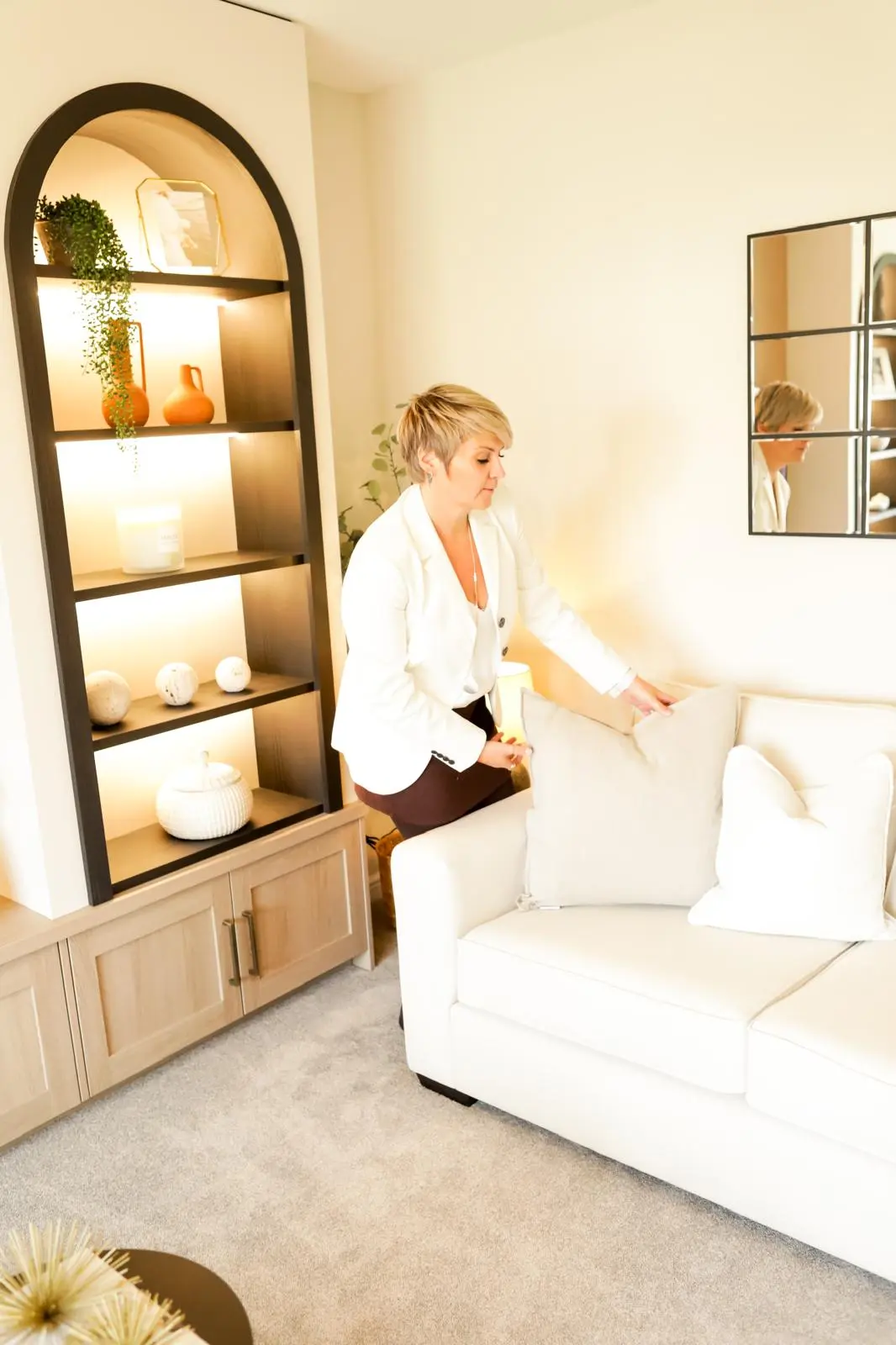
If you’re preparing to sell your home, there’s one powerful shift that can dramatically improve your results:
You have to stop thinking like the homeowner… and start thinking like the buyer. That might sound simple, but emotionally, it isn’t always easy.
Every day, I meet homeowners at very different stages of readiness. Some are excited for their next chapter. They’re motivated, practical, and open to advice because they understand that small changes can make a big financial difference. Others feel deeply attached — and rightly so.
This is the house where they’ve built their lives. It’s where children took their first steps, where birthdays were celebrated, where Sunday dinners became tradition. Letting go of that emotional connection, even slightly, can feel uncomfortable. But here’s the truth: the way we live in a home is very different from how we should present it for sale. When you’re selling, it’s no longer about what works for you. It’s about creating a space where someone else can instantly imagine it working for them.
Here are four key ways to think like a buyer — and position your home to achieve the best possible price.
1. Think About Who You Were When You Bought It
Cast your mind back to when you first bought your home. Not the year, but the stage of life. Were you a first-time buyer, nervously excited to get on the ladder? A young couple planning for the future? A growing family who needed that third bedroom and a garden? Chances are, your ideal buyer will be in a similar life phase. When you identify who your likely buyer is, everything becomes clearer. You start presenting your home with intention. If your buyer is likely to be a young family, highlight storage, safe outdoor space, and practical layouts. If it’s a professional couple, emphasise lifestyle, entertaining space, natural light, flow between rooms. Thinking like your buyer allows you to market directly to their needs, not your memories.
2. Remember Why You Fell in Love With It
Now think about your first viewing. What made you say yes? Was it the generous room sizes? The kitchen-diner where you imagined family meals? The character features and high ceilings? Perhaps it was the view out over the beautiful open countryside that parts of Flintshire are known for. Those initial emotional triggers matter. What attracted you is often exactly what will attract your buyer. I call these your home’s “key features.” And when selling, those features should take centre stage. If it’s the kitchen-diner, clear the surfaces and style the table so it feels inviting. If it’s the view, make sure curtains are open and windows are sparkling. If it’s period charm, don’t overcrowd the room with heavy furniture that hides those details. Buyers make emotional decisions first, logical decisions second. Your job is to help them feel that spark.
3. Show Off Your Space
Whatever the Size, whether you own a one-bedroom apartment or a five-bedroom detached house, buyers want one thing: space. Not necessarily more square footage but visible, usable space. Clutter is one of the biggest barriers to achieving this. When surfaces are crowded with ornaments, wardrobes are bursting, and kitchen cupboards are stacked high, rooms feel smaller than they actually are.
This is where a little discipline goes a long way. Pack away collections. Clear the tops of wardrobes. Remove excess furniture if needed. Store away boxes, suitcases, and everyday overflow. Buyers need to see floor space. They need to understand how they would position their own furniture. They need breathing room. Decluttering isn’t about removing personality. It’s about creating clarity. Remember, you’re moving anyway. Starting the packing process early can make photo day and viewings far less stressful.
4. Perfect Your Presentation
Think Show Home Energy, this is where thoughtful finishing touches make all the difference. You want buyers walking through the door and thinking: “Yes. I could live here.”
Small improvements create big impact:
Finish off minor DIY jobs, Clean windows inside and out to maximise natural light,Use fresh white bedding to create a calm, spacious feel ,Hide everyday toiletries and replace them with a few simple, coordinated items. Add new cushions or a soft throw to refresh a sofa, introduce fresh flowers or greenery for warmth. Think boutique hotel rather than busy family home. You’re not erasing your life, you’re elevating it. Presentation signals care. And care builds confidence. When buyers see a well-presented home, they assume it has been well maintained.
The Bigger Picture Ultimately
Selling successfully comes down to one simple truth: Buyers need to visualise themselves living in your home. And here’s something many sellers forget — your home is not being judged in isolation. It’s being compared with every other property available in your price range.
So ask yourself honestly: If you were scrolling online tonight, would yours stand out? Thinking like a buyer doesn’t mean disconnecting emotionally. It means being strategic. It means making small, smart adjustments that maximise appeal and protect your asking price. Because when buyers can picture their future in your home, that’s when viewings increase. And when viewings increase, offers follow. Sometimes, the smallest mindset shift delivers the biggest results.